

Wood Burners Near Me
Wood burners can be a great alternative to electricity or fossil fuels to heat your home. Modern wood stoves produce lower emissions and produce more heat for the same amount of logs.
Recent studies of wood stoves that comply with EPA standards have revealed that they reduce harmful particulates by 30 percent. These benefits are not without caveats.
Cost
If you're looking for an affordable method to heat your home wood-burning stove is an excellent choice. They come in a variety of styles and designs that can add a touch of elegance to your home. They're also extremely efficient and can convert up to 75% energy into heat. They're also simple to maintain, which makes them an excellent option for any home.
The cost of wood burners in the vicinity can vary in relation to the size and the type of unit. There are two kinds of wood burners that are gasification and standard boilers. units. Standard boilers cost $5,000 to $12,000, while gasification units are about $6,000 to $14,000. They both have advantages over other heating sources and meet EPA guidelines for residential use.
You'll also need firewood, in addition to the price of your fireplace with wood burning. You can buy it in the store, but it's generally cheaper to pick your own. You'll also need to invest in an electric chainsaw and safety gear. You'll also require an authorization if you intend to harvest firewood on public property.
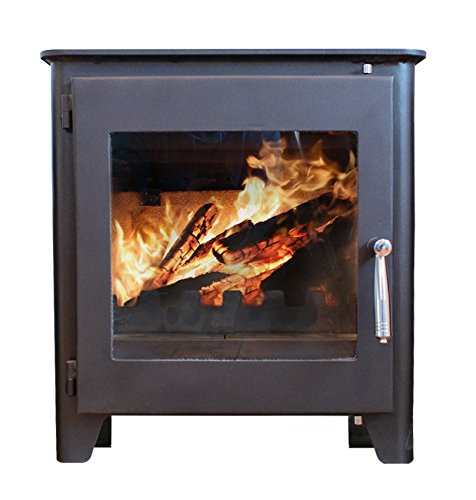
A pellet boiler is a viable alternative to the traditional wood-burning stove. It is made up of compressed sawdust or corn. These systems are less expensive than wood-burning appliances, but require more space to store fuel. These systems are more efficient in energy use and produce less smoke than traditional wood-burning stoves. They do have more expensive installation costs over other options. The most popular brand of pellet boiler is Crown Royal, which offers a range of sizes and styles to suit every budget.
Energy efficiency
A wood stove is an excellent alternative to traditional fireplace. They are designed to be energy efficient and are less expensive than gas or electricity. They also emit low EPA emissions and create a cozy atmosphere for your home. The aesthetics of a wood burning fireplace is unrivaled and makes your home feel more comfortable. However, it is important to ensure that the chimney is properly insulated and sealed. If you don't do this, heat will be leaking through the chimney into your home, which will increase the cost of heating.
If you're looking to buy a new wood burning stove, make sure it's got an overall efficiency of 72 percent. This is a better indicator of how efficiently the stove can transfer heat than the efficiency of combustion which is not usually mentioned in advertisements. The EPA has a list of certified wood heaters that includes the overall effectiveness of each one.
It is also essential to select a wood burner that is sized appropriately for the space that will be heated. An appliance that is too big will waste fuel and pollute the indoor air with smoke. A burner that is too small will not provide enough heat and could create drafts.
To maximize the efficiency of your wood stove, keep it clean. It is recommended to clean the stove's interior using a wirebrush on a regular basis. This will prevent the accumulation of soot which can reduce the efficiency of wood stoves by 50%. You should also have the flue checked regularly to prevent air leakage and debris buildup.
If you're planning to install a wood-burning stove, think about purchasing a prefabricated chimney system. These pipes are available in multiple sizes and can be fitted to suit your home's layout. These pipes are easy to maintain and can be cleaned with an oil-based cleaner for wood burning or a special spray. It's a good idea also to use firewood sourced from local forest. These trees are more efficient and contain a wide variety of species. They are also more affordable and produce less ash.
Safety
Fireplaces and wood-burning stoves can produce indoor and outdoor emissions which are hazardous to health. A well-engineered, up-to-date combustion appliance can reduce these emissions. However, they could contribute to poor air quality and increase the risk of fire.
Make sure you use clean, dry wood to ensure that your home is safe. Avoid smoky flames. Check the local regulations and rules regarding wood burning. Certain areas ban burning during times when the air is stagnant or there are temperatures inversions. Others have strict requirements regarding the purchase and use of stoves and fireplaces that burn wood.
Burning wood produces carbon monoxide, as well as other air pollutants that may cause health issues. Exposure to these pollutants can cause a flare-up in existing heart and lung diseases, especially in people with chronic respiratory issues. It can also lead to eye nasal, throat, and eye irritation and headaches. Teenagers, children, older adults, and those suffering from heart disease are at increased risk of these effects. Carbon monoxide is not odorless or taste, so it is difficult to detect before symptoms begin.
If you have a wood-burning fireplace, you should remove the ashes often and then store them in an aluminum container. Also, make sure to keep the flue ajar when you're igniting the fire and burning wood. This will prevent the accumulation of creosote and other toxic substances in your chimney and the ventilation system.
Children must be monitored when using the wood burning stove and instructed to stay at least a meter from it. In case of emergency, it is crucial to keep a fire extinguisher of class A nearby the wood stove. Pyrography is a great hobby However, it is essential to adhere to safety guidelines to protect yourself from heat injuries. small woodburners whenever you are handling hot tools. The tweezers you get with a variety of wood-burning tools can be extremely hot, so hold them carefully and not touch the tip directly. If you're unsure whether the tool is hot, put your hand over it for some time to see whether it's warm.